
Microwave Capacitors
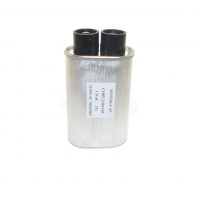
Microwave capacitors are specialized components designed to handle the high-frequency electrical demands of microwave ovens and other high-voltage applications. These capacitors play a crucial role in ensuring the efficient operation of microwave circuits by storing and releasing electrical energy to regulate the power supply, control resonant circuits, and maintain stable performance. Our selection of microwave capacitors are built to meet the stringent quality standards required for consumer and industrial microwave equipment, ensuring safe and reliable operation over time.
Frequently Asked Questions
What does a microwave capacitor do?
A microwave capacitor is a specialized high-voltage component that works with the transformer and diode in a microwave’s high-voltage circuit to store and release energy, regulate the power supply, and help drive the magnetron. It is built to handle the high-voltage demands of both consumer and industrial microwave equipment.
Are microwave capacitors dangerous to handle?
Yes! Caution is essential. A microwave capacitor can hold a lethal high-voltage charge even after the appliance is unplugged. It must always be safely discharged before servicing, and repairs should be performed by a qualified technician. Motor Capacitors’ microwave capacitors are designed to strict quality standards for safe, reliable long-term operation.
Do these capacitors include a safety discharge feature?
Many high-voltage microwave capacitors incorporate an internal bleeder resistor that gradually discharges the stored energy after power is removed, reducing shock risk. Because designs vary, always confirm the specification for a given part and never assume a capacitor is discharged before verifying it.
How do I choose the correct replacement microwave capacitor?
Match the capacitance and voltage rating specified for your appliance and confirm the terminal style and physical dimensions fit the mounting. Because microwave high-voltage components are safety-critical, replace with a correctly rated capacitor and have the work done by a qualified technician if you are not experienced with high-voltage service.
